Article
Power of Farm to School
Beloved community,
Autumn is, by far, my favorite season. Cooler days signal that it’s time to start buttoning up the farm as youth across our community settle into the rhythm of a new school year. This seasonal shift, the renewed rhythm, gives us the opportunity to reflect on our harvest while we simultaneously look forward to what’s next. And as we shift season, we get to celebrate National Farm to School Month! At Growing Hope, we celebrate, remember, and continue moving through each youth and school we intersect with because we believe it is instrumental in building a foundation of generational health on which our food system can grow.
Farm to school impacts all of us.
Every one of us is either in school, has been in school, or has someone close to us with a school experience. And for many of us, school is where our earliest beliefs about food took root.
As a child, I relied on the school system for the majority of my meals. From a young age, I didn't know much about autonomy in what I ate. I knew the food pyramid, but not how the food served to me fit into it. In the end, it didn't matter. All that mattered was that it kept me from going hungry. This system built a foundation for how I thought about the food system, which included conflicting feelings of gratitude, shame, and survival. This is the experience of many youth in our community, and it's a big part of what drew me to Growing Hope.
Our children deserve the absolute best we can afford them, not whatever is subsidized for the companies that can afford to send lobbyists to Washington.
Whether it’s what counts as real food, who gets to eat well, or where food comes from. These are all deeply seeded beliefs that often stay with us our entire lives, and we cannot give up this narrow opportunity to shape them.
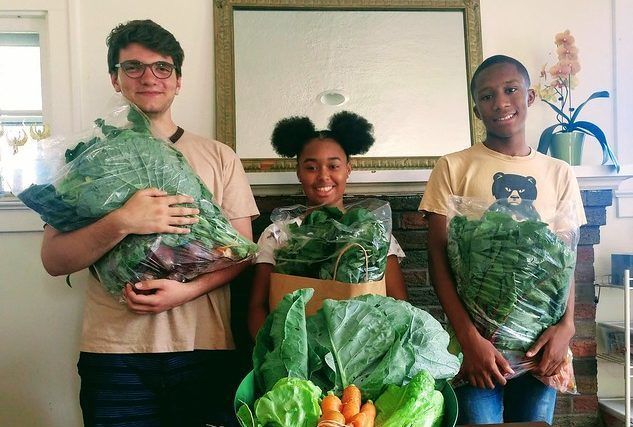
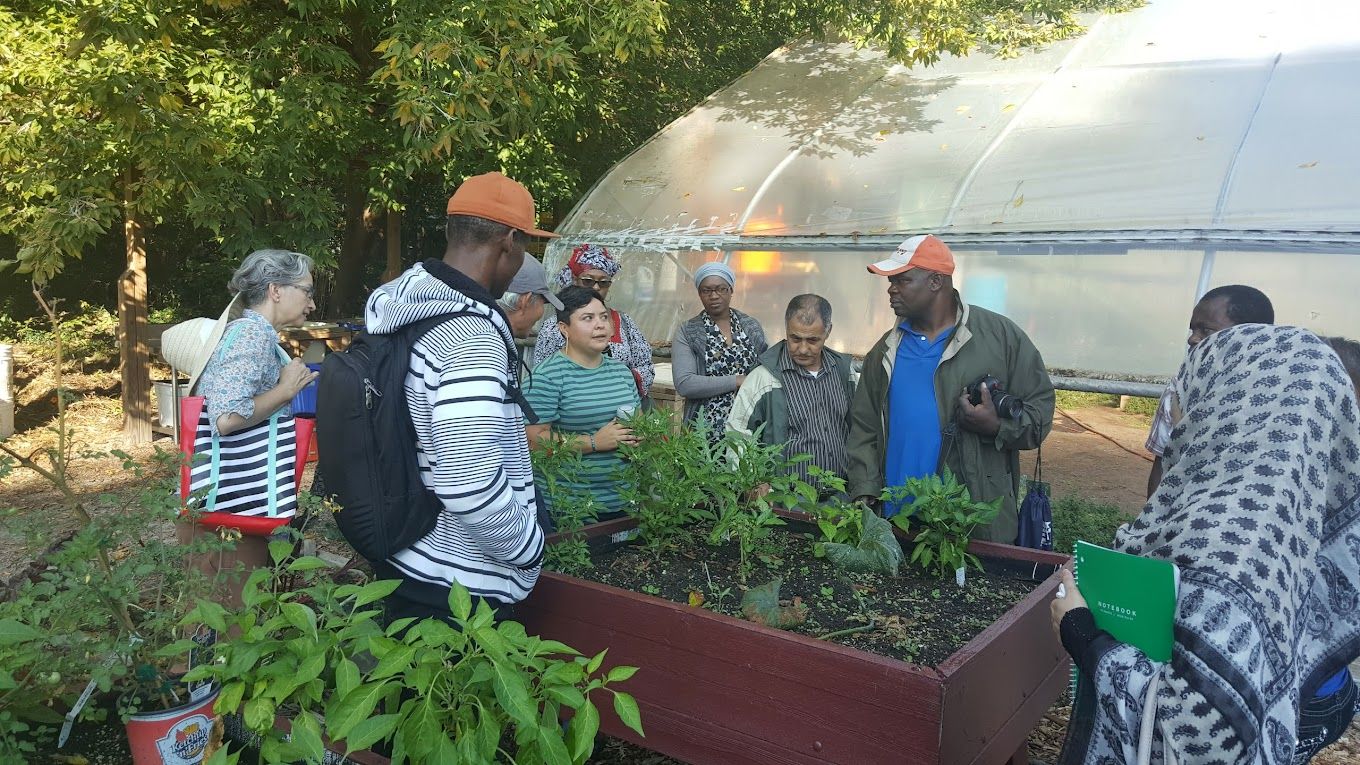
We do this on two levels; first, experientially. Kids who plant, harvest, and cook stop seeing food as something that just appears, and start seeing themselves as part of making it. A few of the ways this has looked in practice include actively being involved in supporting school gardens across the district and helping to build up programs like RCTC Culinary Arts and Bakery Science and the new Botany Program. A couple of weeks ago, Jenny and Esha joined Grizzly X Day at Perry Early Learning Center, where we're starting a new garden club for 1st graders.
The second is systemic. We invest in the systems that feed our children, because a garden club alone can't fix a cafeteria tray. Together, these two approaches are how a community builds generational health. In 2025, USDA canceled the Local Food for Schools program, which would have put nearly $18 million into the hands of Michigan farmers and schools. That's money that would have put Michigan-grown food in school lunchrooms. A bill introduced in Congress this summer, the Local Foods for Healthy Schools Act of 2026, would make local food funding for schools permanent.
Again, we ask: are our school meal dollars going to serve local youth and local farmers, or the companies with the biggest lobbying budgets?
Indigenous Peoples’ Day is also this month, and within it, an important reminder that this work did not begin with, nor is it owned by, any federal program. Indigenous peoples, including the Anishinaabe, who stewarded the land we farm today, were teaching children to grow, gather, and prepare food long before these programs came to be. This work continues today through organizations like First Nations Development Institute's Native Farm to School.
That history isn't separate from what’s in front of a child today; Indigenous teaching has informed and built generations of farm-to-school work for all people.
The Black Panther Party's free breakfast program and Fannie Lou Hamer's Freedom Farm Cooperative are just two examples of communities coming together to feed their children when the system refused.
We learn from that lineage, we tell their stories, and we steward school food systems that nourish our youth from the inside out. Every community's food system is shaped by what we teach and feed its young people. So we celebrate Farm to School Month by continuing to sow seeds of generational health in the minds and hearts of our young people.
In solidarity,
Julius
P.S. Here are a few ways to get involved directly: request a field trip (you don't have to be a school), request school garden support, or fund free field trips for local youth through "Pay It Forward" on our auction.
share this
Related Articles
Related Articles
STAY UP TO DATE
GET PATH'S LATEST
Receive bi-weekly updates from the church, and get a heads up on upcoming events.
Contact Us