August 13, 2026
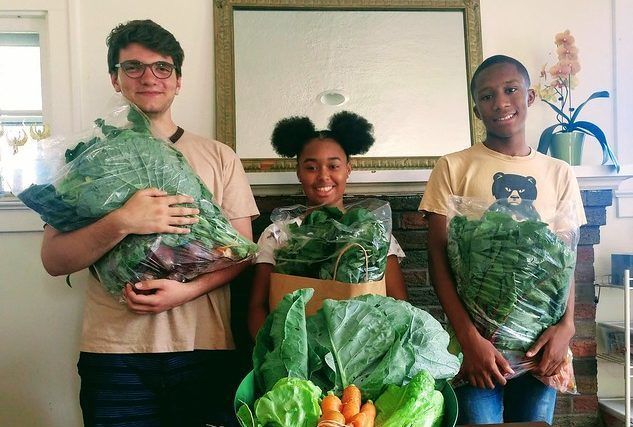
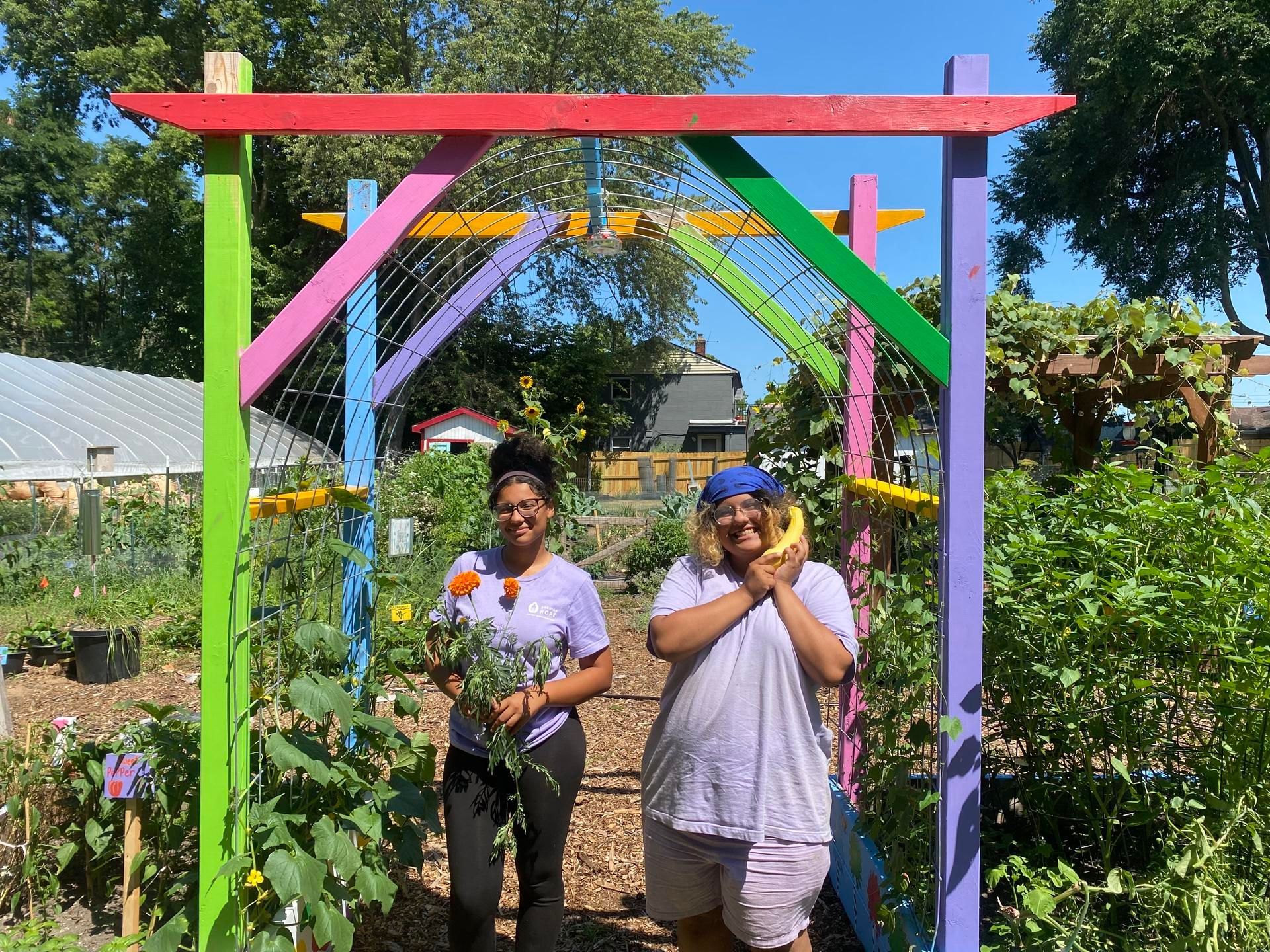
Dear Growing Hope Community, August 6th marked the last day of our eight-week Summer Teen Leadership Program! Over the past eight weeks, 12 Ypsilanti teens joined us as part of our farm staff for an intensive summer program of farm work and workshops on food justice, community organizing, social identity, and cooking lessons. The teens worked hard this summer caring for their Oasis Garden, Children’s Garden, and the Sharing Garden, harvesting food for our free produce cooler, and partnering with local organizations to deepen their knowledge about the Washtenaw County food system. The Teen Leadership Program is an integral part of Growing Hope, and we are so proud of and grateful for this incredible group of young people! This Summer, we had two Teen Crew Leaders, Sienna Troy and Nick Corvera-Garay, and they worked incredibly hard building community among new teen crew members, leading teambuilders, and leading our social identity workshops every Wednesday. They have a few reflections on their time in the Teen Leadership Program that they would like to share. We are so proud of their work at Growing Hope and wish them all the best in their future endeavors as Sienna goes off to college and Nick continues on into the after school program and as our Staff Representative on the Growing Hope Board of Directors! Sienna Troy, Lincoln High School I’ve been at Growing Hope for three summers and unfortunately, I graduate from the program this year. I hate to leave, but I’m so grateful for the experiences I’ve had, the people I've met, and the knowledge I’ve gained. Growing Hope has gotten me more ready and prepared for life than any school ever will. I have learned how to be the best version of myself. If you asked me how I would describe myself my first year, I’d say introverted, quiet, and probably secluded. None of that describes who I am now. Working here has made me break out of my shell and create so many deep bonds. I have made so many friends and met so many new people who will forever have a special place in my heart. Growing Hope will be the only job I ever have where I’m excited to wake up in the morning and go to work. Being greeted every morning by beautiful flowers is such a special feeling especially when you’re the one who put the work into them. I even started my own garden using all the things I’ve learned. I loved taking in so much new knowledge during our workshops, so I could go home and tell everyone about it. There is so much passion flowing through me for the work we do and I’ll never be able to express how honored I am to be a part of it. I’m so grateful for all I’ve learned and even more thankful for Jenny and Esha for making this program as amazing as it is. I hope to take all the things I’ve learned here and pass it on. No matter how many years go by, Growing Hope will always be a part of who I am and what I want to represent. Growing Hope will always be a warm, welcoming, comfortable environment for me and I’m forever grateful for that. Nick Corvera-Garay, WAVE When I started at Growing Hope, I was in a very rough place in my life. I had been in and out of the hospital all year, I dropped out my freshman year, and I genuinely didn’t know what I was going to do with my future. I was struggling with my mental health, and I felt isolated from my peers. When I applied, I wasn’t expecting to get hired. Now, I am forever grateful that I was. Working here has been a life changing experience. I am now surrounded by people who love and support me in everything I do. I am surrounded by people who encourage me to be myself. I am surrounded by people who listen to my ideas, and take me seriously. At Growing Hope, I’m not just viewed as an intern. I’m viewed as someone who has valuable insight. Watching things grow around me– not just the plants, but the people, (myself included)– has shown me that there is hope for the future. It’s shown me that regardless of the conditions, the surrounding environment, whatever challenges life throws your way, you can grow. Even if someone comes and chews off all your leaves, you can be fruitful. (shout out to our soybean plants!) I’ve learned how to create meaningful change in my community, how to guide a team, how to keep fighting, and how to teach other people to do the same things. Even if I won't ever need to flip compost again, there’s a lesson to be learned about perseverance somewhere in between loaves of bread and orange peels. Both the people and the plants here have taught me things I wouldn’t have learned anywhere else. To me, this is more than a job, it’s a collection of lessons that I will carry with me throughout my entire lifetime. During my time here, I’ve accomplished many things. I helped plan garden beds, build a pond, paint murals around the farm, and last fall, I was elected to the Growing Hope Board as staff representative. I have been welcomed into this space from the beginning, and I am so glad to be in such an important part of this organization. Being the first teen elected to the board feels surreal, and it shows a change within the Growing Hope ecosystem I know we will continue on in the future. Trusting young people to lead and be in charge is important in any field of work, but especially food justice. We are the future, the torchbearers, the ones to create a brighter future. I am eternally grateful that the staff believed in my abilities, and I hope in the future, there are even more opportunities like this for young people like me. As I go into my third fall season, I can’t help but reminisce. Every year, so many people come into this program. I see myself in some of them, and I also see the ways they change and flourish here. I am honored to help guide and support these young people through their journeys. I believe this isn’t just a farm that grows food, but a place that helps our community grow, helps people grow into themselves, and helps us grow a brighter future. I now feel empowered to create change, to help everyone, and I feel that it is truly achievable. With the support of Growing Hope, I look forward to seeing all of the change the teens, myself included, create. I am eager for a brighter future, one that we will build together. I hope you, too, are eager. With love, Nick Corvera-Garay (PS: If you feel touched, empowered, or particularly generous- I’d deeply appreciate it if you considered donating to Growing Hope ! Your donations are matched through September, meaning anything you give will have double the impact. You can help teens like me feel empowered to create change, too.)