Article
Nutrition and the Right to Thrive
Beloved community,
March is National Nutrition Month, and across the country, we’re told to read labels more closely, count nutrients more carefully, and “eat real foods.” But nutrition is not a trend cycle; it is a question of power.
I invite you to join me in curiosity and ask: Who has access to what’s being recommended? Who can afford the “real” food being celebrated? Who grows it, and who gets paid? Are we treating illness, or are we transforming the conditions that produce it?
Health outcomes matter, but health equity goes further.
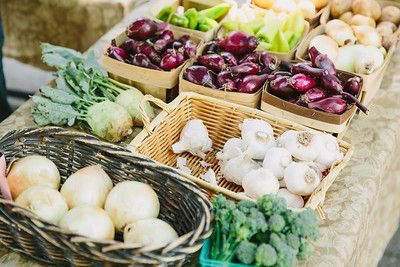
Health equity asks why certain neighborhoods have higher rates of diabetes in the first place. It asks why fresh food feels exceptional in some zip codes and ordinary in others. It asks why farmers struggle to survive while healthcare systems expand.
If we do not address land access, procurement policy, and economic extraction, then “eat real” risks becoming a quiet moral judgment instead of a structural commitment.
Michigan once modeled real structural commitment through 10 Cents a Meal for Michigan's Kids & Farms; matching school dollars to buy Michigan-grown produce and making local food standard in cafeterias. It strengthened children’s health, stabilized farmers, and shifted institutional purchasing habits.
This year, the program was not funded. And as a result, students miss the chance to build lifelong food memories rooted close to home. And still, we are not retreating.
Together, we are building a foundation of generational health.
Generational health is the long game. It is the work of ensuring that today’s third grader doesn’t just eat a fresh apple; but grows up expecting apples from Michigan orchards in their cafeteria. It is ensuring that a teen doesn’t just volunteer at the market; but understands zoning laws, farm bills, and supply chains well enough to challenge them.
This is the foundation of our theory of change.
We build generational health by shaping habits early and reinforcing them often;
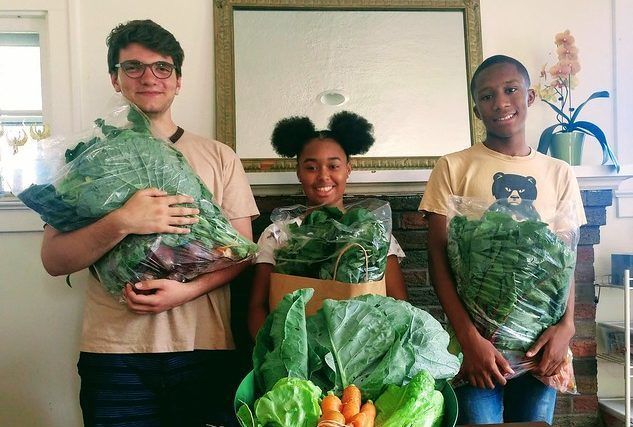
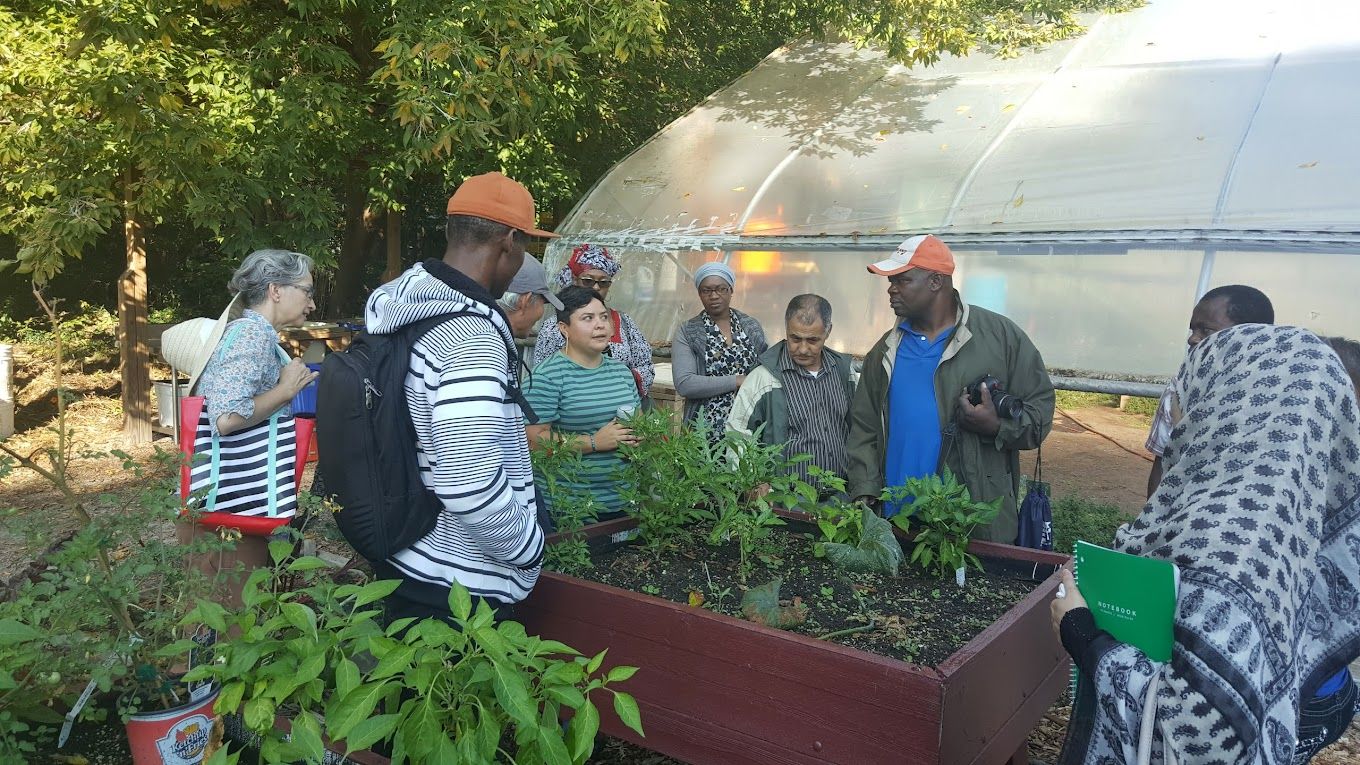
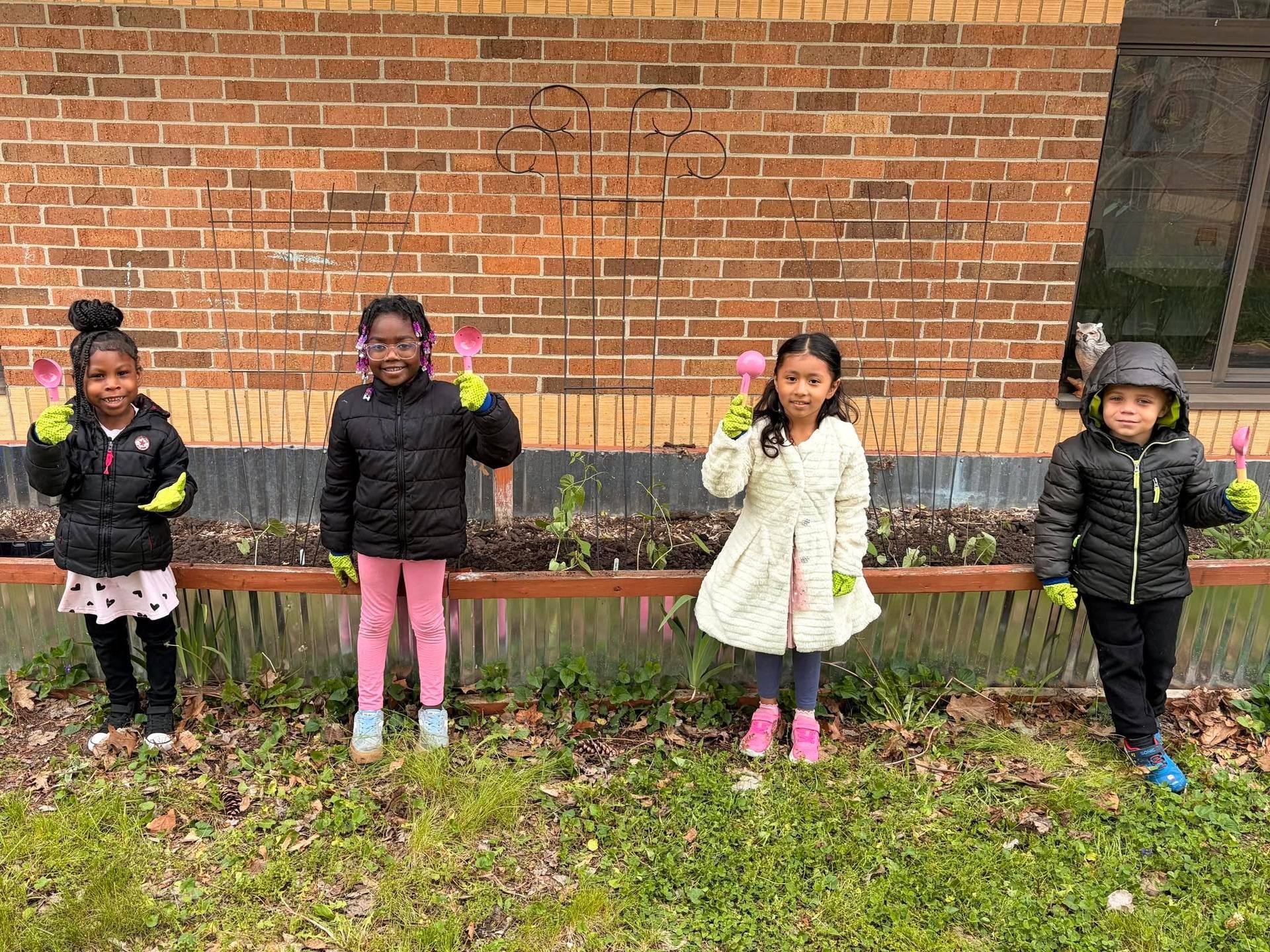
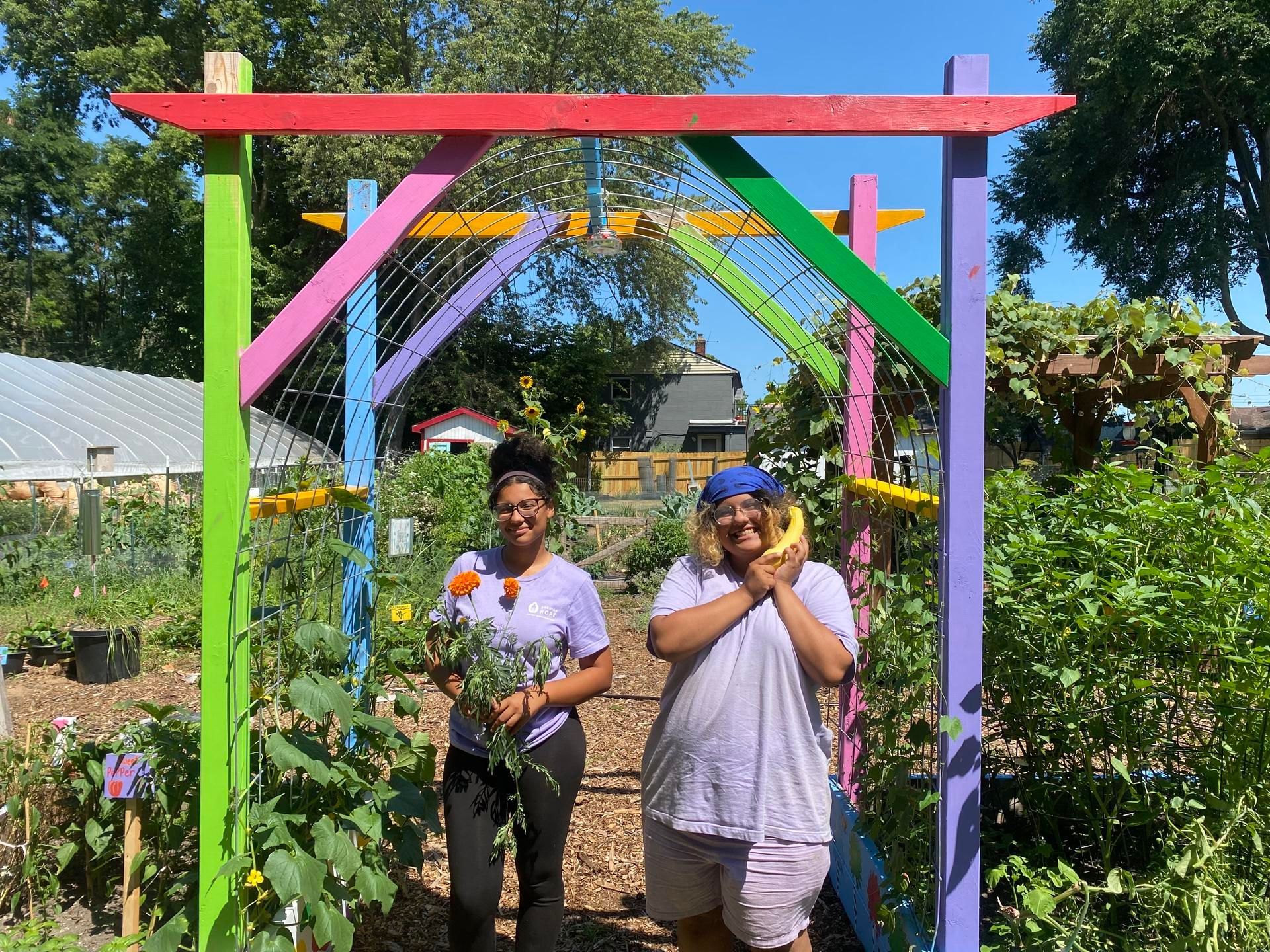
through initiatives like our Teen Leadership Program, where young people gain the skills and critical lens to navigate and influence the food system; through field trips to our urban farm and incubator kitchen, where learning is rooted in soil; through Farm to School programming that normalizes local procurement; and through Power of Produce (POP) Club, where children practice agency by choosing fresh food for themselves.
This is how we shift from reactive nutrition work to regenerative nutrition culture.
We do this by pairing conversations about Food as Medicine, dietary guidelines, and eating
real foods,
with:
An insistence that farmers are part of the prescription.
Guidelines that align with affordability and access.
Understanding that
real foods need to be reachable, culturally meaningful, and dignified.
Nutrition is not simply about what’s on a plate. It is about who has the right to thrive.
This National Nutrition Month, I invite you to see nutrition not as an individual burden, but as a collective project that treats fresh food not as charity, but as infrastructure. We are cultivating a community where children expect fresh produce, where farmers are stable and respected, and where health is inherited as legacy.
That is generational health.
And that is the future we are growing together.
In solidarity,
Julius
P.S. Check out the FoodCorps Policy Action Map or sign up for our Farm to School Newsletter if you’re interested in building generational health.
share this
Related Articles
Related Articles
STAY UP TO DATE
GET PATH'S LATEST
Receive bi-weekly updates from the church, and get a heads up on upcoming events.
Contact Us