Article

Downtown Ypsi Deserves This

March 27, 2026

Beloved community,


Last season, organizers of all sizes hosted
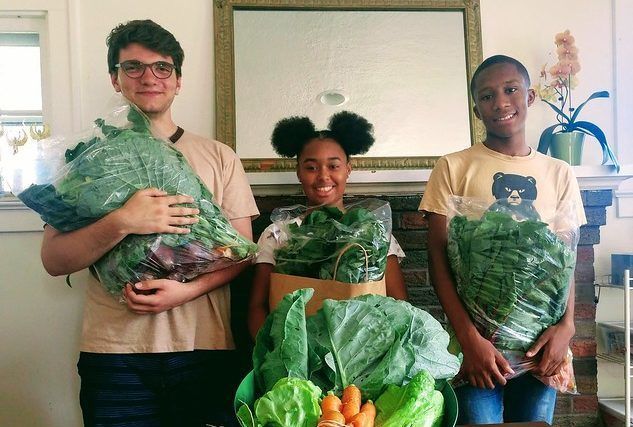
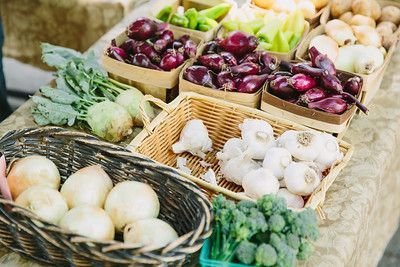
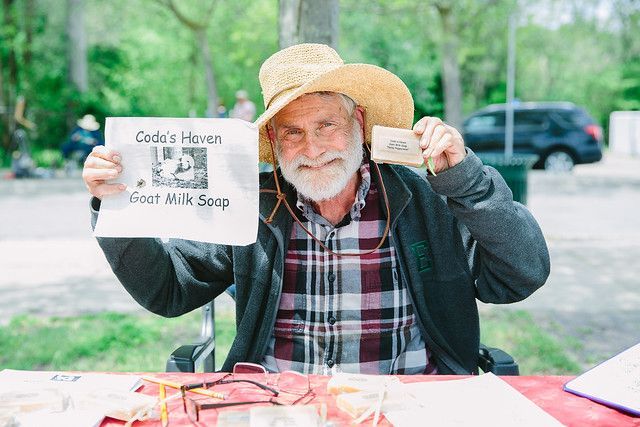
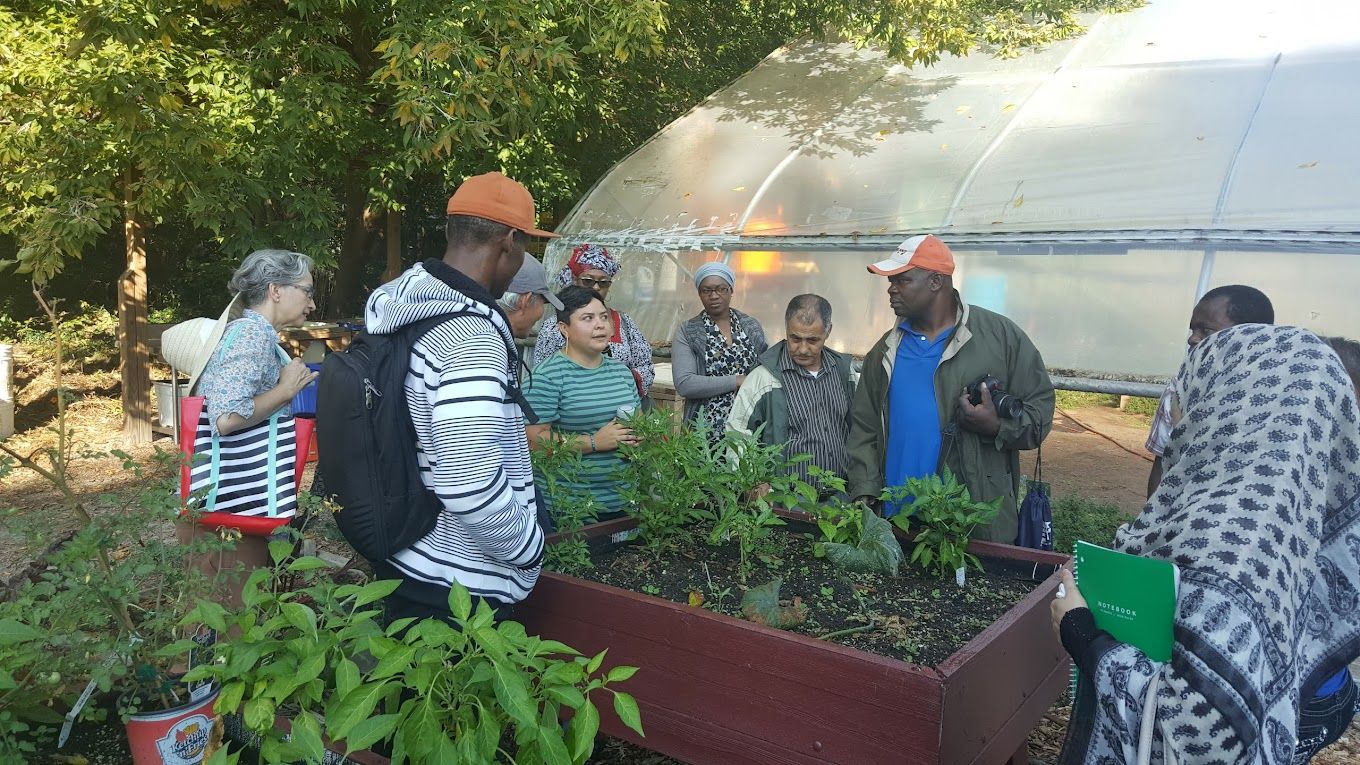
168 events at the Ypsilanti Farmers MarketPlace, from mutual aid distributions and cultural gatherings to health outreach and food policy conversations. These moments reflect how we steward shared resources to maximize good and meet multiple community needs at once.


At the heart of it all is the Ypsilanti Farmers Market itself. 


If you’ve spent any time at the market, you know that it’s never just been a place to shop.


It’s a place to linger.

To listen.

To organize.

To feed one another, body and spirit.


Together, we are building a food ecosystem where everyone has access to fresh produce and where advocacy, mutual aid, and belonging intersect. 


That was especially clear this year when our community faced a sudden gap in food access.


When early federal funding shifts threatened nutrition dollars, our community didn’t wait.
Together, we rapidly designed and launched the Ypsi SNAP Gap Program, a locally powered response that ensured hundreds of local families could continue to access food. 


As we move through spring, your support sustains this work; keeping vendor fees low, strengthening food access programs, and maintaining the MarketPlace as a space for belonging.
Every gift sustains a place to live, organize, and nourish one another.


With deep gratitude,


Julius Buzzard

Executive Director


P.S. Your early spring support ensures we’re ready to respond when our community needs it most.

share this

Related Articles

Related Articles

By Julius Buzzard • November 1, 2026
Beloved community, One thing I love about our farm is how it invites you in. The Sharing Garden is planted near the farm entrance, and for many, it’s the first part of our community they ever experience. It’s an invitation to come closer, to put your hands in the dirt, and see what grows. Regardless of who is coming or what their motivation, everyone is welcome. Over the past season, we’ve seen more neighbors visiting than ever, including low-income folks, immigrants, and the very people the social safety net has failed to catch. Some visit to stock up on fresh produce, others to find community, and others to get outside in peace. Though the USDA has decided to stop tracking food insecurity data, Feeding America’s most recent report found that the need is real in every community throughout our country. Meanwhile, federal SNAP rules are tightening, with new work requirements and reduced eligibility for immigrant communities, as pantries across the country report rising demand. One garden can’t replace the social safety net, but it can offer fresh food, a place to belong, and a step toward building a food system that doesn’t require one. But this can only happen in community. Early in the season, volunteers started taking apart the old beds in the Sharing Garden. Group after group came through to pull boards, clear weeds, and prepare logs as filler for the new beds. It was hard, unglamorous work, but it was what our community needed. Alongside them, our team has worked through the design and build process too. We’ve also installed a sidewalk so as many folks in our community as possible can reach the garden and enjoy it. This work happened because a community of growers, builders, and volunteers show up, season after season. Together, we’re building a space and a food system that belongs to everyone. While we hope these changes make the Sharing Garden, and, in turn, the farm, more accessible and sustainable, we still have work ahead of us. We hope to create signage, implement tools, and maximize accessibility of this space of belonging for the coming growing season. While the Sharing Garden is the entrance to Growing Hope’s Urban Farm, it’s just one of many spaces to grow and enjoy nature throughout our community. Nearly twenty community gardens in Ypsilanti are tended by neighbors who believe everyone deserves the chance to grow. Together, these types of spaces paint a picture. They highlight the tension between the already, of a food system that is joyful and intimate, and the not yet of a food system that is equitable and just. While it’s not yet fully what we hope it will be, the food system we’re building together is everything. We have so much to celebrate in our local food system, so many folks doing good right now, while still growing toward a place where everyone has access to fresh, local food, without exception. Getting there simply takes patience and a community that refuses to let go of hope. I am so deeply grateful to be part of this community of growers. I’m grateful for the volunteers who give up Saturday mornings, the team who works tirelessly to bring our visions and dreams into reality, the donors who make it possible to grow these dreams into reality, and partners across our community who contribute space to grow, eat, cook, and gather around food. There’s no other way to do this work than together. Thank you for being a part of our community of growers. In solidarity, Julius P.S. The season is winding down, but there’s still a place for you. Come learn about ways to volunteer at growinghope.net, and find a garden near you at growinghope.net/garden-map.

By Julius Buzzard • October 1, 2026
Beloved community, Autumn is, by far, my favorite season. Cooler days signal that it’s time to start buttoning up the farm as youth across our community settle into the rhythm of a new school year. This seasonal shift, the renewed rhythm, gives us the opportunity to reflect on our harvest while we simultaneously look forward to what’s next. And as we shift season, we get to celebrate National Farm to School Month! At Growing Hope, we celebrate, remember, and continue moving through each youth and school we intersect with because we believe it is instrumental in building a foundation of generational health on which our food system can grow. Farm to school impacts all of us. Every one of us is either in school, has been in school, or has someone close to us with a school experience. And for many of us, school is where our earliest beliefs about food took root. As a child, I relied on the school system for the majority of my meals. From a young age, I didn't know much about autonomy in what I ate. I knew the food pyramid, but not how the food served to me fit into it. In the end, it didn't matter. All that mattered was that it kept me from going hungry. This system built a foundation for how I thought about the food system, which included conflicting feelings of gratitude, shame, and survival. This is the experience of many youth in our community, and it's a big part of what drew me to Growing Hope. Our children deserve the absolute best we can afford them, not whatever is subsidized for the companies that can afford to send lobbyists to Washington. Whether it’s what counts as real food, who gets to eat well, or where food comes from. These are all deeply seeded beliefs that often stay with us our entire lives, and we cannot give up this narrow opportunity to shape them. We do this on two levels; first, experientially. Kids who plant, harvest, and cook stop seeing food as something that just appears, and start seeing themselves as part of making it. A few of the ways this has looked in practice include actively being involved in supporting school gardens across the district and helping to build up programs like RCTC Culinary Arts and Bakery Science and the new Botany Program. A couple of weeks ago, Jenny and Esha joined Grizzly X Day at Perry Early Learning Center, where we're starting a new garden club for 1st graders. The second is systemic. We invest in the systems that feed our children, because a garden club alone can't fix a cafeteria tray. Together, these two approaches are how a community builds generational health. In 2025, USDA canceled the Local Food for Schools program, which would have put nearly $18 million into the hands of Michigan farmers and schools. That's money that would have put Michigan-grown food in school lunchrooms. A bill introduced in Congress this summer, the Local Foods for Healthy Schools Act of 2026, would make local food funding for schools permanent. Again, we ask: are our school meal dollars going to serve local youth and local farmers, or the companies with the biggest lobbying budgets? Indigenous Peoples’ Day is also this month, and within it, an important reminder that this work did not begin with, nor is it owned by, any federal program. Indigenous peoples, including the Anishinaabe, who stewarded the land we farm today, were teaching children to grow, gather, and prepare food long before these programs came to be. This work continues today through organizations like First Nations Development Institute's Native Farm to School. That history isn't separate from what’s in front of a child today; Indigenous teaching has informed and built generations of farm-to-school work for all people. The Black Panther Party's free breakfast program and Fannie Lou Hamer's Freedom Farm Cooperative are just two examples of communities coming together to feed their children when the system refused. We learn from that lineage, we tell their stories, and we steward school food systems that nourish our youth from the inside out. Every community's food system is shaped by what we teach and feed its young people. So we celebrate Farm to School Month by continuing to sow seeds of generational health in the minds and hearts of our young people. In solidarity, Julius P.S. Here are a few ways to get involved directly: request a field trip (you don't have to be a school), request school garden support , or fund free field trips for local youth through "Pay It Forward" on our auction .
By Julius Buzzard • September 1, 2026
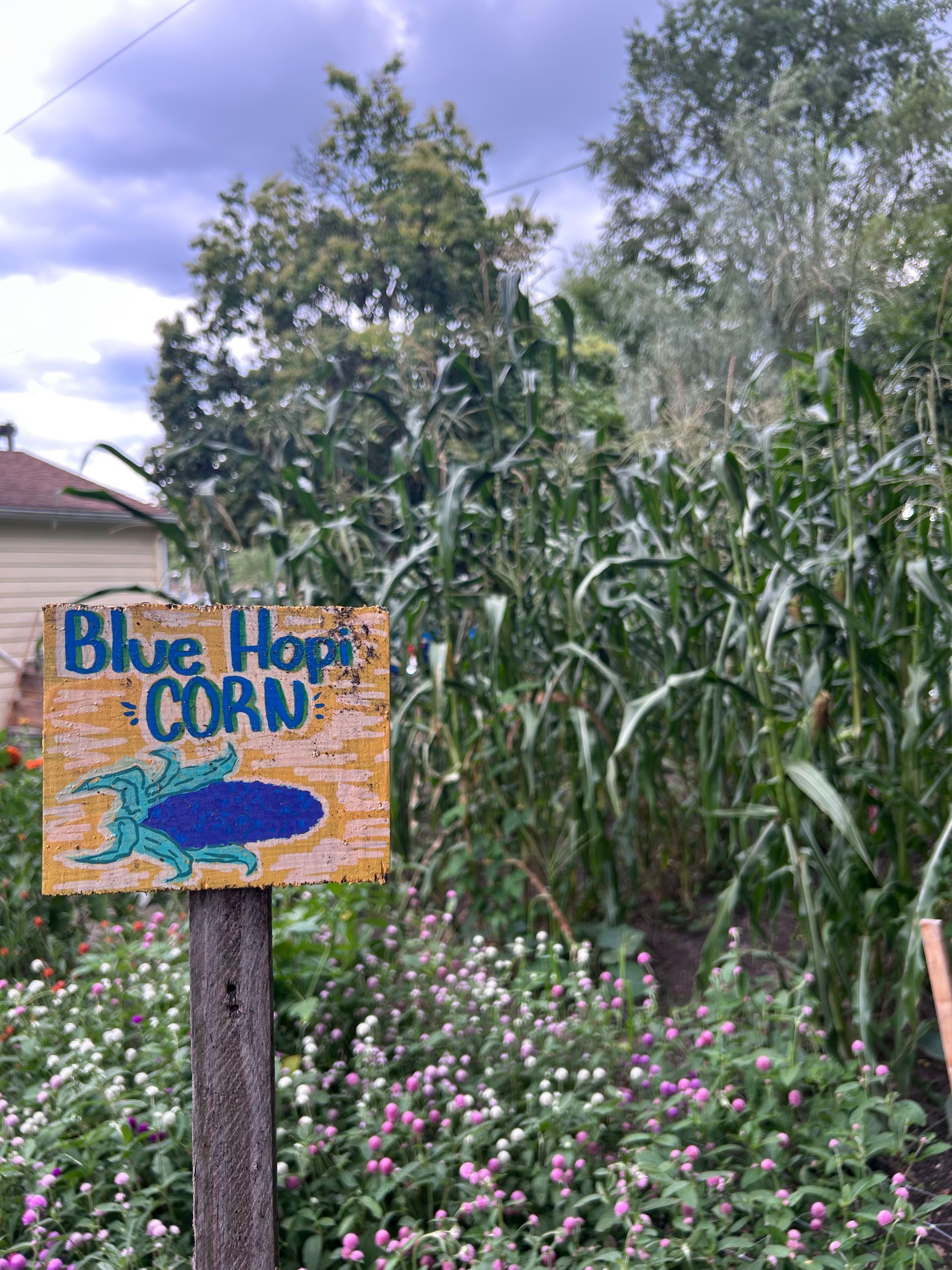
Beloved Community, I've been thinking a lot about seeds and seed rematriation this season, and even more so as I sit with our bare seed libraries and seeds strewn about, drying for the season to come. Seed rematriation is the practice of returning ancestral and sacred seeds back to the Indigenous communities and lands from which they came. It's a deliberate departure from "repatriation." Through this lens, we are reminded that seeds are so much more than objects; they are relatives. And so, rematriation is not simply a transaction, but a homecoming. Over the past couple of seasons, our Teen Leaders have built a seed library in each of our spaces. These are places where community members can take seeds, plant them, and grow them, with the hope that they'll return the communal favor by collecting and bringing seeds back as the season turns. This simple practice reminds us that seed does not belong to any one person; we just happen to be its current stewards. Together, we foster a legacy that connects us with our ancestors who've walked before us and the stewards of the future who have not yet been dreamt up. Our Blue Hopi corn paints this very picture. It's a beautiful deep purple, drought-hardy and built by generations of farmers who knew the land intimately. At nearly six feet, it's impossible to miss; and every passing is a visual reminder of the people who stewarded these seeds, this land, and the dream that has become Growing Hope. Seeds hold our sustenance, hand down our recipes, protect our culture, and enshrine our stories. Over the past century, museums, universities, and policy have displaced peoples and seeds alike. This displacement attempts to overwrite the lessons learned by those indigenous to our land. It erases their stories. Rowen White puts it eloquently when she reflects on what she was taught by her elders: "the seeds are a reflection of the people." When a seed is scattered, something in the community is scattered too. And when it comes home, community comes home with it. Growing Hope's seed libraries are a small, local practice, not an extension of Indigenous seed rematriation. But the discipline underneath it, that what's entrusted to you is not yours to keep, is one we're trying to learn from and hold ourselves accountable to. The simple, yet powerful, act of returning a seed to the ground is one small way to practice that same discipline. We all carry things that were entrusted to us, but are not ours alone: a story, a recipe, a way of doing something. Passing them on is its own kind of seed saving. Maybe yours isn't a Blue Hopi corn stalk; it's the recipe your grandmother never wrote down, or a skill someone taught you that you haven't taught anyone yet. Saving these seeds, sharing these stories, is how we actively participate in a community market by reciprocity and shape the story of humanity. We're heading into the season built for this. The fall equinox lands on September 22 this year, and the Harvest Moon (also known as the Corn Moon) follows a few days later, on the 26th. This seasonal shift marks the turn Mother Earth asks us to notice: what comes next? Seed saving is simply paying attention to that question and writing down an answer. If you've never saved seed before, start small and let a plant or two go further than you normally would. Dry what you gather somewhere out of direct sun, store it in a cool, dry place, and label it (because you will not remember what that unlabeled envelope was next spring). Consider bringing them to one of our seed libraries and sharing them with our community of growers. Together, as we save seed, we help the natural world as a whole keep the core of its identity alive. We continue the cycle of nourishment, season after season. In solidarity, Julius P.S. Listen through some of the Ypsi Farmers & Gardeners Oral Histories to hear many of the stories our community is preserving collectively, and consider writing down and sharing your own. We all have a story to share, and collectively, our stories build freedom.
ALL ARTICLES

STAY UP TO DATE

GET PATH'S LATEST

Receive bi-weekly updates from the church, and get a heads up on upcoming events.

Contact Us

A close up of a man wearing a beanie and a grey shirt
A black and white logo that says `` beloved believe ''
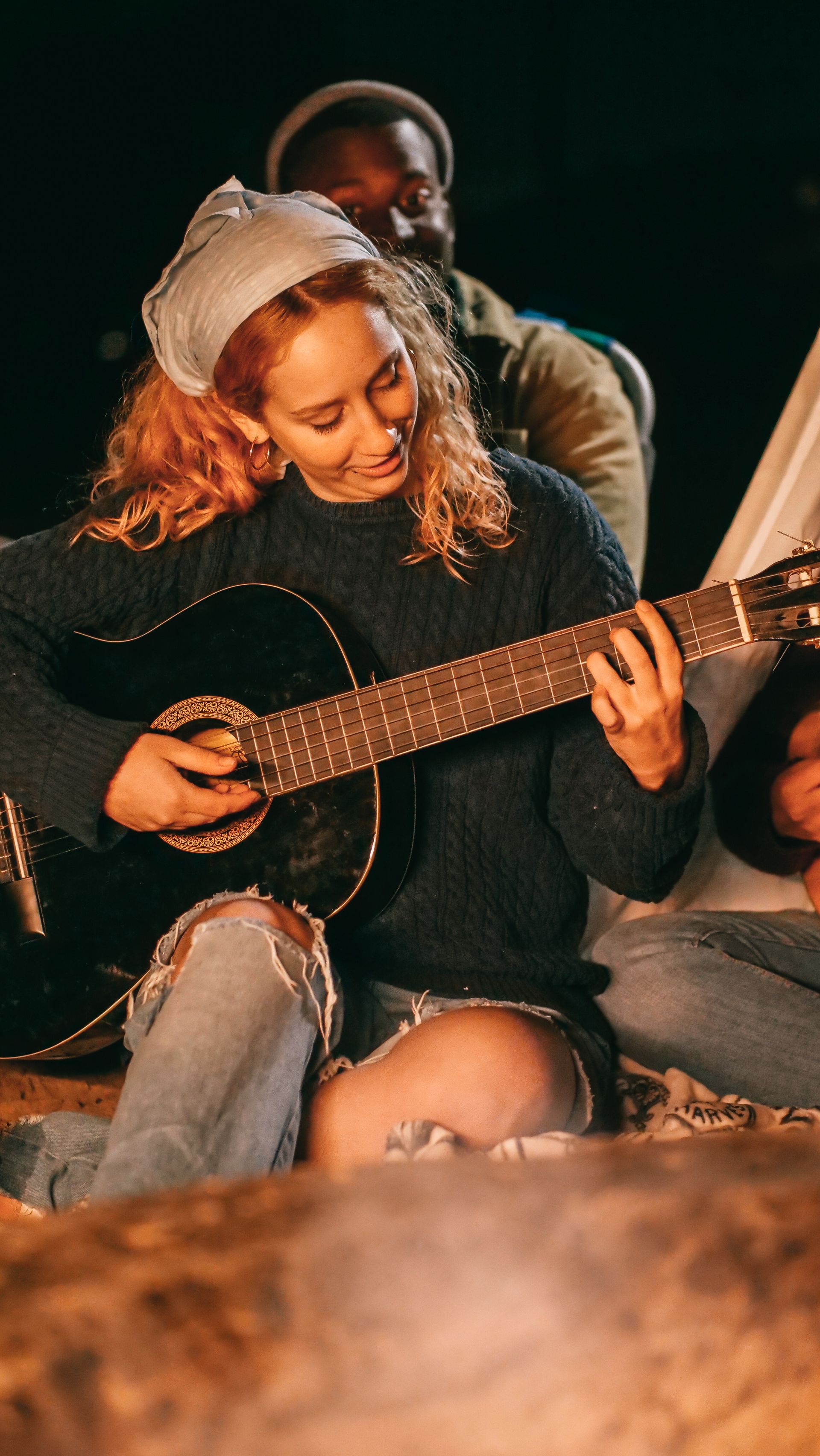
A woman is sitting on the ground playing a guitar.