Article

Nurturing a Season of Hope

November 18, 2025

November 2025


Food insecurity is a quiet crisis, until it’s at your doorstep.


In Michigan, one in six adults and one in five children are struggling to afford food.
Here in Washtenaw County, one in seven of our neighbors face the daily choice between groceries, childcare, and medicine.


This year has brought more than hardship;
it has brought disruption. Federal work requirements are forcing parents and elders to choose between groceries, healthcare, and childcare. Budget cuts and policy whiplash have shredded what remains of our fragile safety net. And yet, this is not the end of the story.


We are reminded, once again: hunger isn’t just a matter of policy. It’s a matter of power.


At Growing Hope, we are working toward a different future. A future rooted in justice, joy, and food sovereignty.
Food is not a commodity. It is a human right. It is a relationship. It is a powerful tool for reclaiming what is ours: the ability to nourish ourselves, our families, and our community.


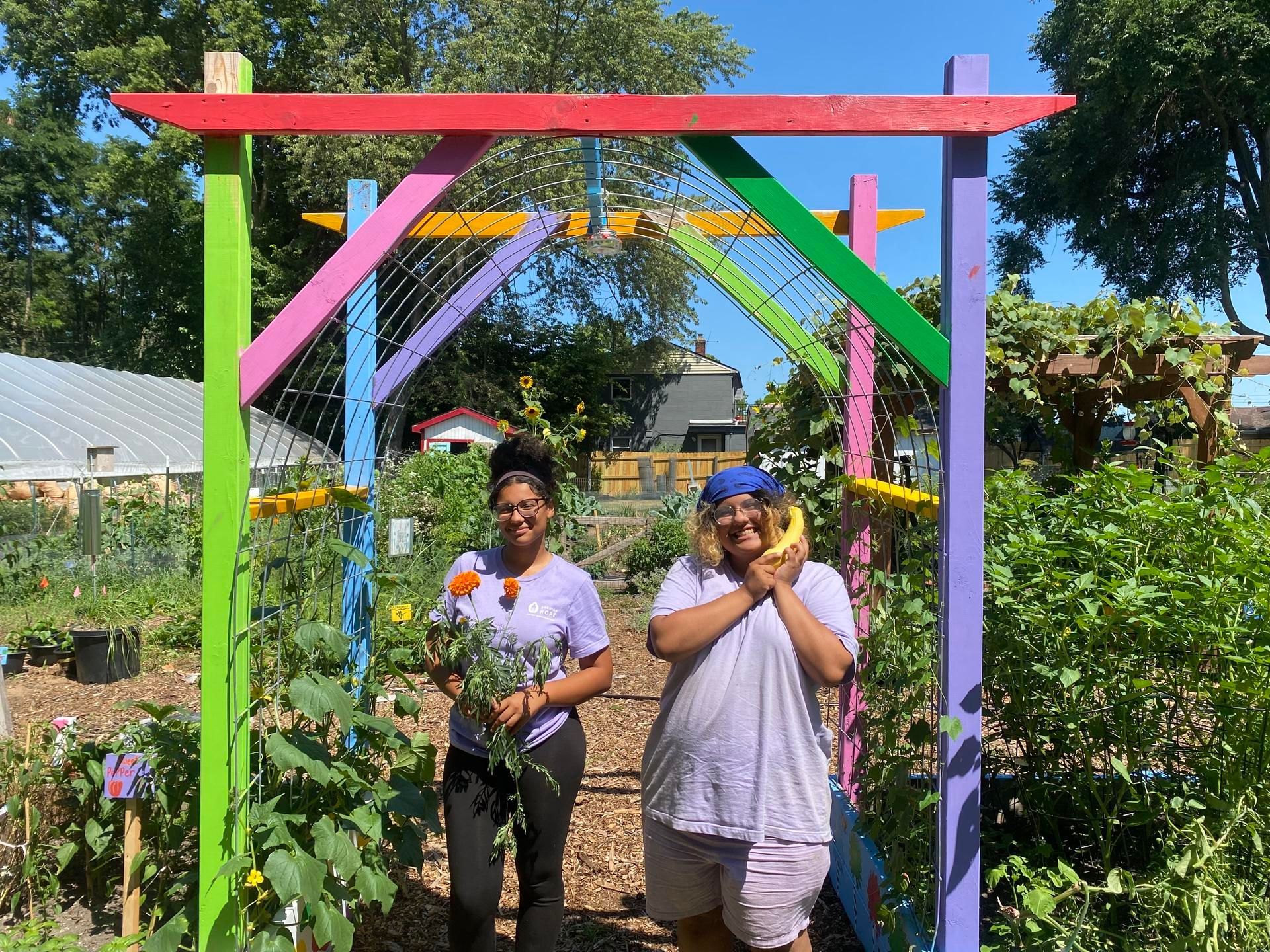
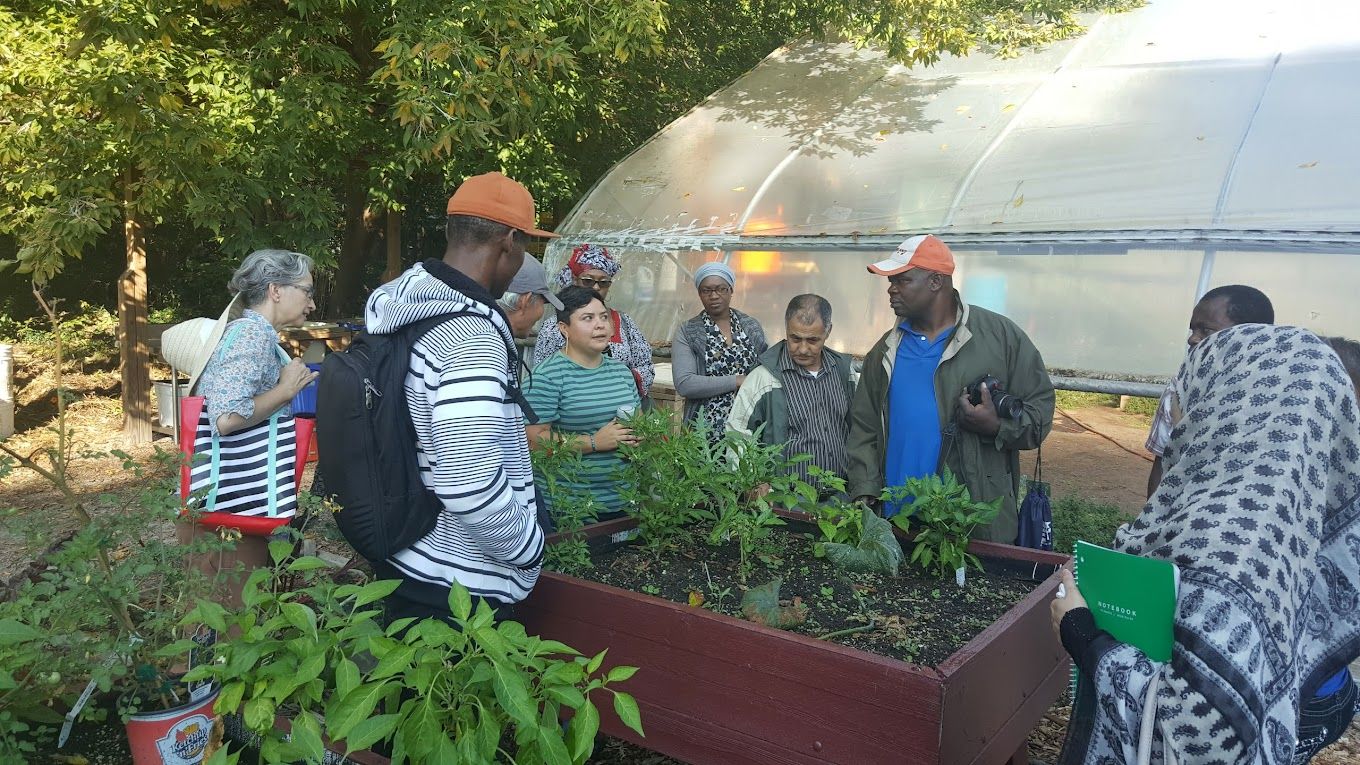
“I want to learn how to do all kinds of stuff. We live in an unpredictable world.” She paused, laughed, and shrugged. “I need to grow my own food. That’s where my head is.”
—Amorita, hands in the soil at our urban farm


Your gift today will double to ensure families across our region can access, grow, and share fresh, culturally-relevant food.


This year, your generosity has sown resilience:

  • Over 6,000 pounds of produce and 10,000 food plants were shared with neighbors.
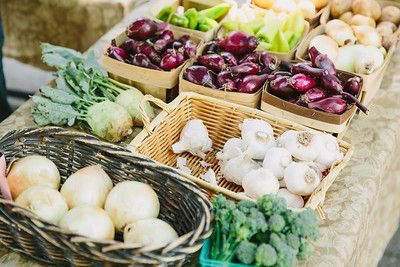
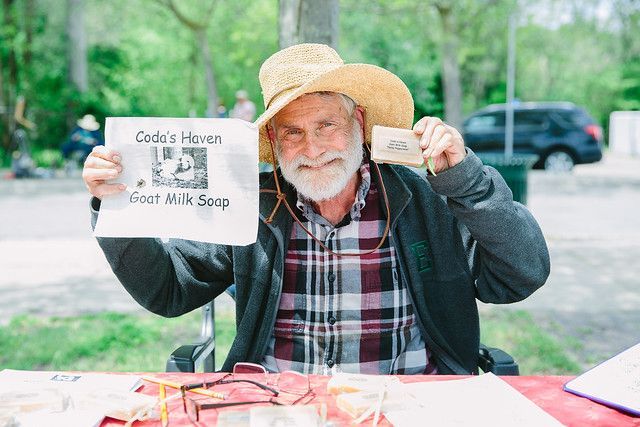
  • A farmers market that reimagines food assistance with dignity and choice.
  • An incubator kitchen that seeds new food businesses, stitching equity into our local economy.
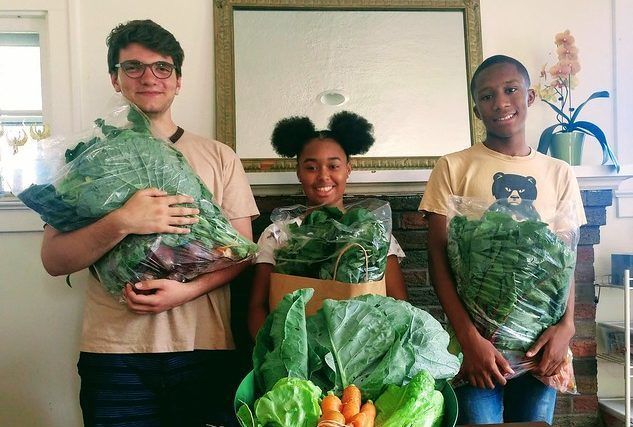
  • Teens empowered to lead, teach, and grow, becoming catalysts for generational health.


“I know that I’ve been able to make an impact in my community while working with the teen program, probably more than I would have if I hadn’t worked here. Part of it is because it made me believe I could. The other is probably all of the connections and opportunities Growing Hope has in the community, that I’ve been privileged to take advantage of.”
—Youth Leader, Growing Hope Teen Program


Together, we are not just growing food. We are growing future.


When a young person harvests food for their neighbors…

When an elder shares recipes that carry memory and meaning…

When families gather to eat from the soil they stewarded together…


That is how chaos gives way to hope.


Dr. C.R. Snyder reminds us that hope is not simply a feeling. It requires vision, possibility, sustained effort, and the belief that our actions shape the future. That’s the kind of hope we are cultivating at Growing Hope,
and we can only do it together.


This season, you can ensure our community is not defined by chaos and confusion, but remembered as a season of hope.
Your year-end gift will be doubled to strengthen our shared work for food justice and sovereignty. Will you stand with us in planting the seeds of hope that will grow for generations?


In solidarity and gratitude,

Julius Buzzard

Executive Director


P.S. Your gift will be doubled thanks to a generous donor match. Together, let’s move from chaos to hope.


share this

Related Articles

Related Articles
By Julius Buzzard February 18, 2026
During the Montgomery Bus Boycott, when formal fundraising was surveilled and criminalized, Georgia Gilmore organized something deceptively simple: a kitchen network . Known as The Club From Nowhere , Gilmore and other Black women sold pies, cakes, and home-cooked meals to quietly raise money for the movement. Their anonymity was protection. Their food was infrastructure. For over a year, as the boycott stretched on, these funds paid for carpools, gas, and daily survival. While history often centers on speeches and marches, Gilmore reminds us that revolutions are sustained behind the scenes by those who feed people, organize logistics, and keep the lights on. Her kitchen was a site of resistance. Her recipes were tools of liberation. At Growing Hope, we honor this lineage every time we invest in food entrepreneurs, incubator kitchens, and cooperative models. When food businesses are community-rooted, they do more than generate income; they fuel movements . Never underestimate what food can do. And never forget who has always been doing the work.
By Julius Buzzard February 11, 2026
“If you have 400 quarts of greens and gumbo soup canned for the winter, nobody can push you around.” Fannie Lou Hamer said this not as a metaphor, but as a lived experience. In 1969, after being evicted from her plantation home for registering to vote, Hamer founded the Freedom Farm Cooperative in Sunflower County, Mississippi. The goal was simple and radical: Black families deserved land, food, housing, and economic independence, without having to ask permission. Freedom Farm grew vegetables, raised livestock, built homes, and supported cooperative ownership. It addressed hunger and poverty at their roots, refusing the lie that liberation could come without material security. Hamer understood what we still grapple with today: political rights mean little without food sovereignty . Voting doesn’t protect you from hunger. Legislation doesn’t replace land. Dignity requires access to the means of survival. This is why Growing Hope centers farming, education, and entrepreneurship together. Food sovereignty is not just about what’s on your plate; it’s about who controls the systems that decide who eats .
By Julius Buzzard February 4, 2026
In 1969, the Black Panther Party launched the Free Breakfast for Children Program , serving tens of thousands of children across the United States every single school day. Not as an act of charity, but as a declaration. The Panthers understood something the dominant systems refused to acknowledge: a hungry child cannot learn, organize, or imagine a future . Feeding children was a political act. It was protection. It was strategy. Volunteers cooked before dawn in church basements and community centers. Children were served breakfast while learning about Black history, self-determination, and collective responsibility. The state noticed and felt threatened. The FBI labeled the program “the greatest threat” to internal security, not because it was violent, but because it worked. And it worked so well that the U.S. government was forced to expand public school breakfast programs nationwide . Mutual aid didn’t just meet immediate needs; it reshaped public policy . This is food sovereignty in action: communities identifying harm, meeting their own needs with dignity, and building power in the process. At Growing Hope, we carry this legacy forward. When we insist on dignified access to food, when we support farmers markets as sites of connection and not extraction, when we center youth and Black leadership, we are walking a well-worn path. When communities feed themselves, systems change.
ALL ARTICLES

STAY UP TO DATE

GET PATH'S LATEST

Receive bi-weekly updates from the church, and get a heads up on upcoming events.

Contact Us

A close up of a man wearing a beanie and a grey shirt
A black and white logo that says `` beloved believe ''
A woman is sitting on the ground playing a guitar.