Article

Seeds of Hope for a New Year

January 1, 2026

Hello, good people!


As we crossed the threshold into this new year, I found myself holding two truths at once. The first is grief and exhaustion from a year marked by chaos, confusion, and compounding pressures on food assistance, health care, housing, and the basic dignity of our neighbors. The second is the deep knowing that we have always survived moments like this by turning toward one another.


This is not a soft optimism. It is a practiced one.


We are bracing for hunger and need at levels we may not have seen before. And yet, history and our own lived experience here in Ypsilanti tell us that when systems fail, community does not disappear. Together, we’re showing up with care, skill, and imagination. That is the soil from which Growing Hope was built, and it is the ground we are still tending.


In 2026, we remain committed to building a food system rooted in justice, dignity, and self-determination. Here’s a peek at what some of those steps look like for us in the coming season:


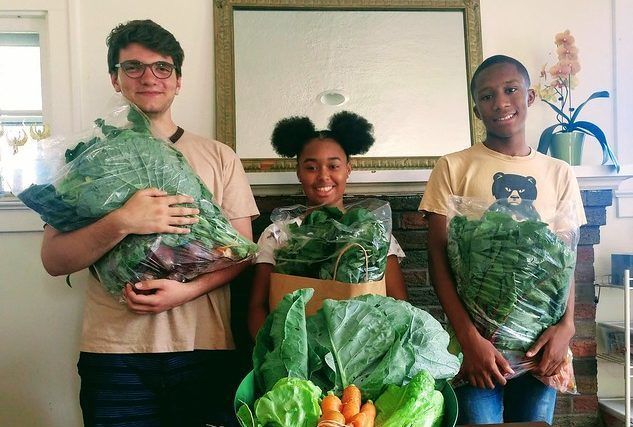
Building Generational Health. We are doubling down on youth leadership, working alongside teens who are already shaping the future of our food system. This year, we’re deepening partnerships that model what farm-to-school can be when it’s relational, local, and led with intention.


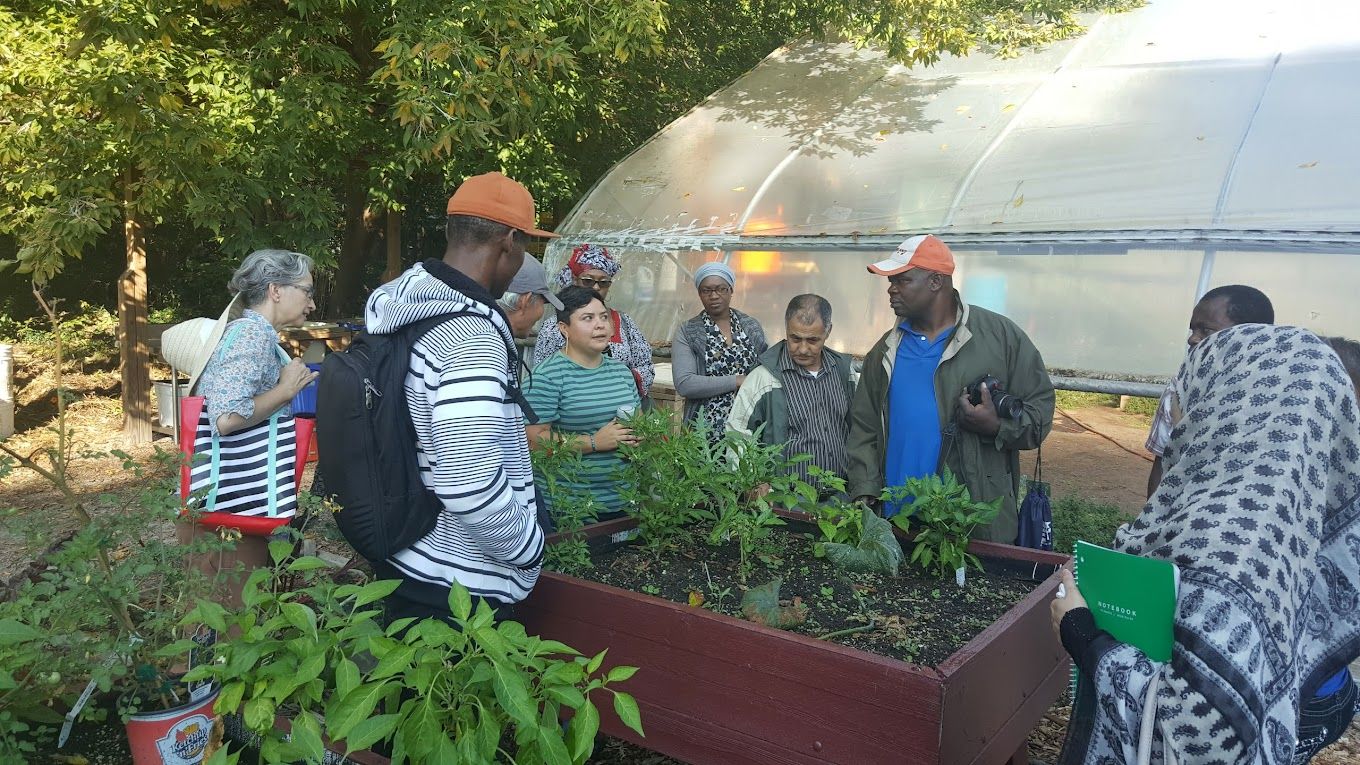
Investing in a Community of Growers. Our Produce Cart continues to evolve into a shared ecosystem, stocked not only by Growing Hope but also by local farmers, gardeners, and home growers alike. Alongside building depth within our Home Vegetable Garden support, we are making our farm spaces more accessible and inviting. Our hope is that our farm is a place where neighbors can come to harvest, learn, and experience food sovereignty for themselves.


Food Is a Human Right. You’ll hear us saying this more clearly and more often in the coming season. We’re committing to deeper education, base-building, and collective imagination around what it means to move food as a human right from value to policy to reality here in our community.


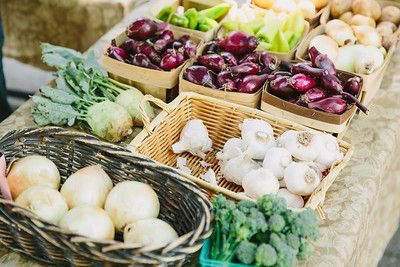
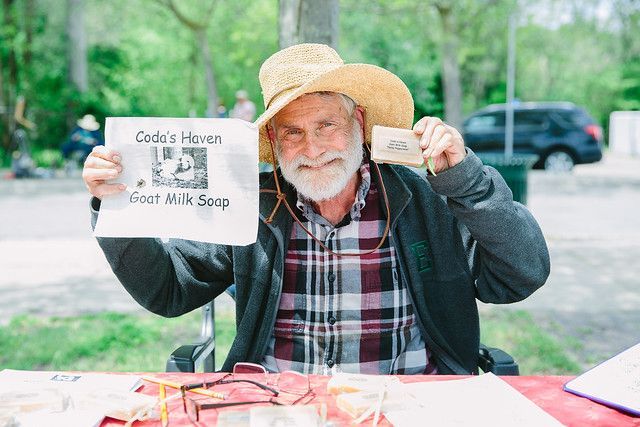
A Year-Round Farmers Market in Ypsilanti. For the first time ever, the Ypsilanti Farmers Market is running downtown year-round. We’re excited to host the winter market through April and keep this vital community space alive in every season. Farmers markets are sites of care, culture, and connection, and we’re thrilled to keep those connections rolling year-round.


Cooking Up Futures: The Accelerator Kitchen. I’m thrilled to publicly share Cooking Up Futures, our accelerator kitchen project, slated to break ground this month! This project will renovate the welcome center (16 S. Washington) into a kitchen that will serve as connective tissue across the Ypsilanti Farmers MarketPlace campus, linking growers, makers, and neighbors in a living, local food economy. At the heart of our theory of change is a simple truth: when we invest in the whole food system, from seed to belly, we generate lasting vibrancy, equity, and opportunity downtown and beyond. If you’d like to learn more or explore ways to support this work directly, I invite you to reach out to me.


As I look forward to 2026, holding our team and our community clearly in view, I’m holding tightly to the fact that we persevere not because conditions are easy, but because community is strong.


Thank you for being part of this work and helping to uncover the food system we all believe in, need, and deserve.


In solidarity and hope,


Julius


P.S. Join me for Food Literacy for All this semester. This Tuesday evening course is open to the public, virtual, and will feature a number of phenomenal food systems advocates over the next few months. 

share this

Related Articles

Related Articles
By Julius Buzzard February 18, 2026
During the Montgomery Bus Boycott, when formal fundraising was surveilled and criminalized, Georgia Gilmore organized something deceptively simple: a kitchen network . Known as The Club From Nowhere , Gilmore and other Black women sold pies, cakes, and home-cooked meals to quietly raise money for the movement. Their anonymity was protection. Their food was infrastructure. For over a year, as the boycott stretched on, these funds paid for carpools, gas, and daily survival. While history often centers on speeches and marches, Gilmore reminds us that revolutions are sustained behind the scenes by those who feed people, organize logistics, and keep the lights on. Her kitchen was a site of resistance. Her recipes were tools of liberation. At Growing Hope, we honor this lineage every time we invest in food entrepreneurs, incubator kitchens, and cooperative models. When food businesses are community-rooted, they do more than generate income; they fuel movements . Never underestimate what food can do. And never forget who has always been doing the work.
By Julius Buzzard February 11, 2026
“If you have 400 quarts of greens and gumbo soup canned for the winter, nobody can push you around.” Fannie Lou Hamer said this not as a metaphor, but as a lived experience. In 1969, after being evicted from her plantation home for registering to vote, Hamer founded the Freedom Farm Cooperative in Sunflower County, Mississippi. The goal was simple and radical: Black families deserved land, food, housing, and economic independence, without having to ask permission. Freedom Farm grew vegetables, raised livestock, built homes, and supported cooperative ownership. It addressed hunger and poverty at their roots, refusing the lie that liberation could come without material security. Hamer understood what we still grapple with today: political rights mean little without food sovereignty . Voting doesn’t protect you from hunger. Legislation doesn’t replace land. Dignity requires access to the means of survival. This is why Growing Hope centers farming, education, and entrepreneurship together. Food sovereignty is not just about what’s on your plate; it’s about who controls the systems that decide who eats .
By Julius Buzzard February 4, 2026
In 1969, the Black Panther Party launched the Free Breakfast for Children Program , serving tens of thousands of children across the United States every single school day. Not as an act of charity, but as a declaration. The Panthers understood something the dominant systems refused to acknowledge: a hungry child cannot learn, organize, or imagine a future . Feeding children was a political act. It was protection. It was strategy. Volunteers cooked before dawn in church basements and community centers. Children were served breakfast while learning about Black history, self-determination, and collective responsibility. The state noticed and felt threatened. The FBI labeled the program “the greatest threat” to internal security, not because it was violent, but because it worked. And it worked so well that the U.S. government was forced to expand public school breakfast programs nationwide . Mutual aid didn’t just meet immediate needs; it reshaped public policy . This is food sovereignty in action: communities identifying harm, meeting their own needs with dignity, and building power in the process. At Growing Hope, we carry this legacy forward. When we insist on dignified access to food, when we support farmers markets as sites of connection and not extraction, when we center youth and Black leadership, we are walking a well-worn path. When communities feed themselves, systems change.
ALL ARTICLES

STAY UP TO DATE

GET PATH'S LATEST

Receive bi-weekly updates from the church, and get a heads up on upcoming events.

Contact Us

A close up of a man wearing a beanie and a grey shirt
A black and white logo that says `` beloved believe ''
A woman is sitting on the ground playing a guitar.